

News
news
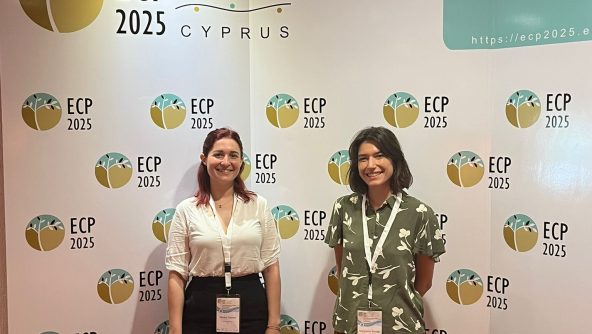
The NYN lab presents at ECP 2025
Researchers Marika Orlandi and Margherita Rovida present at the 19th European Congress of Psychology in Paphos.
Read more
news
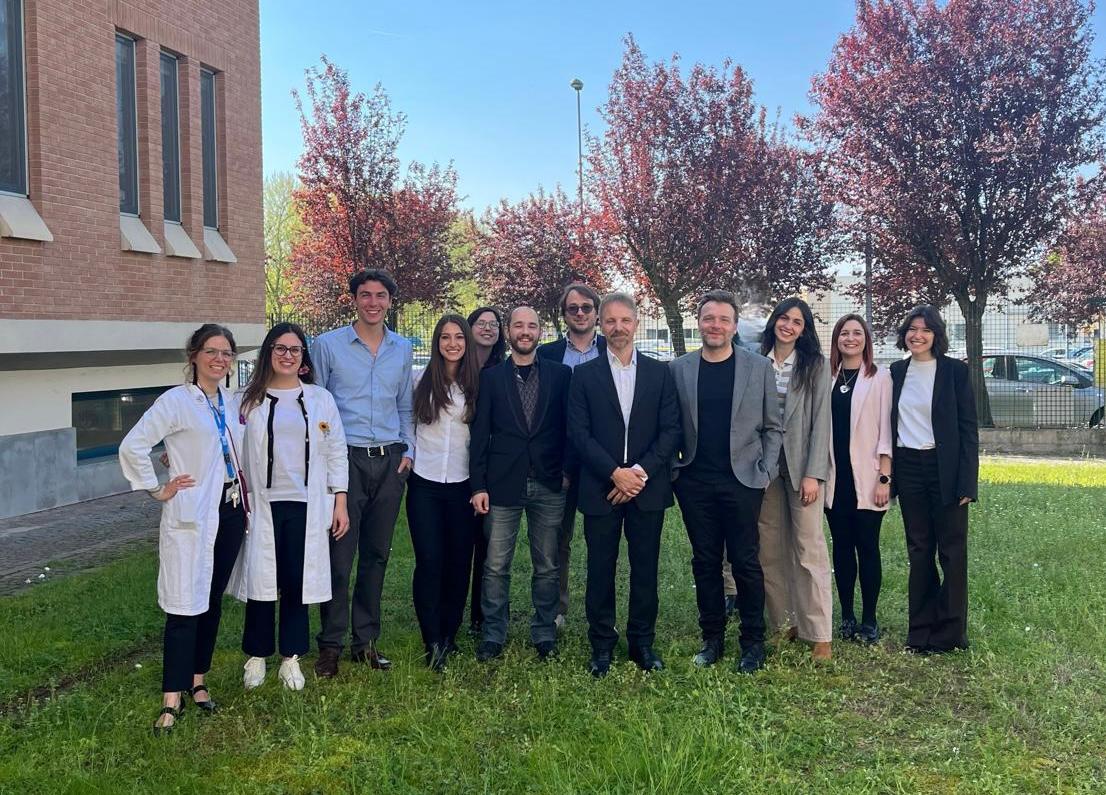
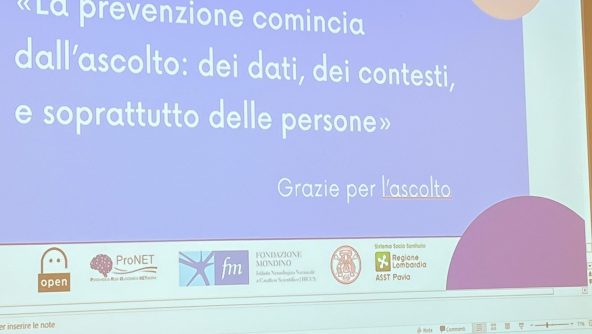
Acknowledgments from the Conference “OPEN and ProNET: Preliminary Data on Assessing Psychosis Risk in Adolescents and Young Adults”
Thank you to all participants for their interest and valuable discussion during the presentation of the OPEN and ProNET projects at the Mondino Foundation.
Read more
Events

25
novembre
2025
Challenges and opportunities in mental health: Prevention in youth
Tuesday, November 25, 2025, from 9:00 a.m. to 1:00 p.m., in the Foscolo Hall of the University of Pavia, the conference “Challenges and Opportunities in Mental Health: Prevention in Youth” will take place, organized by ASST and the University of Pavia.
Read more
10
aprile
2025
12:00
Conference “OPEN and ProNET: Preliminary Data on Assessing Psychosis Risk in Adolescents and Young Adults”
Presentation of preliminary data from the OPEN and ProNET projects on the early identification of young people with at-risk mental states for psychosis and bipolar disorder, and on the characterization of the early stages of illness.
Read more